What Is Pfeiffer Syndrome?
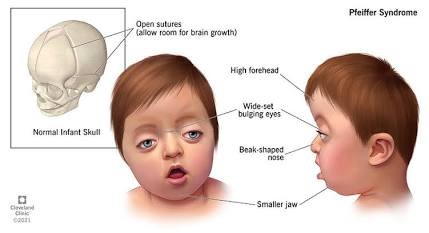
Pfeiffer syndrome is a genetic disorder that belongs to a group of conditions known as FGFR-related craniosynostosis syndromes.
The condition is commonly associated with changes in the FGFR1 or FGFR2 genes, which play an important role in bone development. It is generally inherited in an autosomal dominant pattern, although many cases can occur because of a new genetic change in a child without a previously affected parent.
The characteristic features can include:
- Premature fusion of skull sutures
- Abnormal skull shape
- Midface hypoplasia or underdevelopment
- Prominent or bulging eyes (proptosis)
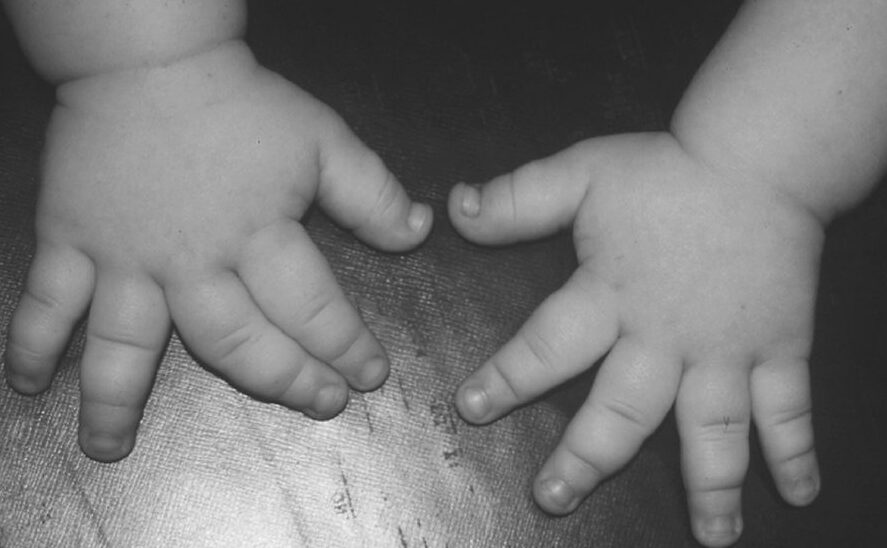
- Broad and sometimes deviated thumbs
- Broad great toes
- Variable syndactyly of the fingers or toes
- Dental and bite abnormalities
- Hearing problems
- Airway obstruction or sleep-disordered breathing in some children
The features and severity vary from one individual to another.
What Causes Pfeiffer Syndrome?
Pfeiffer syndrome is associated primarily with genetic changes affecting FGFR1 or FGFR2.
These genes are involved in signalling pathways that regulate bone development. Abnormal signalling can lead to premature fusion of skull sutures and characteristic changes in the skull, face and limbs.
Because Pfeiffer syndrome has a genetic basis, genetic counselling and testing may be recommended as part of the overall evaluation.
What Are the Features of Pfeiffer Syndrome?
The presentation can vary significantly depending on the individual.
Craniofacial Features
Children may have:
- Abnormal skull shape
- Craniosynostosis involving multiple sutures
- High or broad skull
- Midface hypoplasia
- Prominent eyes
- Underdeveloped upper jaw
- Abnormal facial proportions
More severe forms may be associated with a cloverleaf-shaped skull and significant craniofacial abnormalities.
Hand and Foot Features
Characteristic limb findings can include:
- Broad thumbs
- Medially deviated thumbs
- Broad great toes
- Short fingers or toes in some individuals
- Variable syndactyly
The severity of these features varies between patients.
Breathing and Airway Problems
Midface underdevelopment can narrow the upper airway. Some children may develop:
- Nasal obstruction
- Snoring
- Obstructive sleep apnea
- Feeding or breathing difficulties
- Other forms of airway obstruction
Airway problems can be particularly important in children with more severe forms of Pfeiffer syndrome.
Eye Problems
The shallow orbits and midface development can cause the eyes to appear prominent.
Severe proptosis may increase the risk of corneal exposure and other eye-related complications, making early ophthalmic assessment important when indicated.
Neurological Concerns
Some children with Pfeiffer syndrome may develop complications such as:
- Increased intracranial pressure
- Hydrocephalus
- Chiari I malformation
- Other neurological complications
These risks depend on the severity and pattern of craniosynostosis and require appropriate monitoring.
Types of Pfeiffer Syndrome
Pfeiffer syndrome has traditionally been described in three clinical types based on severity.
Type 1 — Classic Pfeiffer Syndrome
Type 1 is generally the milder form and may be associated with relatively preserved neurological development.
Type 2
Type 2 is more severe and may be associated with a cloverleaf skull, significant proptosis and other complex craniofacial abnormalities.
Type 3
Type 3 can also involve severe craniosynostosis and significant facial and neurological complications.
These classifications describe patterns of severity, but every child can present differently. Modern evaluation considers the child’s specific craniofacial, neurological, airway and developmental features rather than relying only on the subtype.
How Is Pfeiffer Syndrome Diagnosed?
Diagnosis generally involves a combination of clinical examination, imaging and genetic evaluation.
The assessment may include:
- Detailed medical and family history
- Physical examination
- Evaluation of skull shape
- Head circumference measurements
- Assessment of facial development
- Eye examination
- Hearing assessment when indicated
- CT or other imaging of the skull and craniofacial structures
- Assessment for hydrocephalus or other neurological abnormalities
- Genetic testing
Genetic testing can help confirm the underlying cause and may also be useful for genetic counselling and family planning.
Pfeiffer Syndrome Treatment
Treatment depends on the severity of the condition and the problems affecting the child.
There is no single treatment plan that applies to every child with Pfeiffer syndrome.
Management may involve:
- Cranial surgery
- Midface or facial advancement procedures when required
- Treatment of increased intracranial pressure
- Airway management
- Ophthalmic care
- Hearing assessment and treatment
- Dental and orthodontic care
- Neurological monitoring
- Developmental support
- Genetic counselling
The overall goal is to protect brain development, vision and airway function while improving skull and facial development.
Craniosynostosis Surgery for Pfeiffer Syndrome
When premature skull fusion affects skull growth or causes functional concerns, craniosynostosis surgery may be recommended.
The purpose of surgery can include:
- Increasing intracranial space
- Correcting abnormal skull shape
- Protecting the brain
- Reducing or managing raised intracranial pressure
- Improving orbital protection
- Creating appropriate room for continued brain growth
The timing and type of surgery depend on the child’s age, sutures involved, skull shape, intracranial pressure and overall medical condition.
Midface Advancement in Pfeiffer Syndrome
Some children with Pfeiffer syndrome have significant midface hypoplasia, in which the middle portion of the face and upper jaw are underdeveloped.
In selected patients, midface advancement may be considered to:
- Improve facial balance
- Improve the position of the upper jaw
- Increase the space around the eyes
- Improve the upper airway
- Address functional problems related to midface deficiency
The timing of midface surgery depends on the child’s development and the severity of facial and airway problems.
Multidisciplinary Care for Pfeiffer Syndrome
Pfeiffer syndrome can affect several aspects of a child’s health and development. Management may therefore involve multiple specialists.
Depending on the child’s needs, care may include:
- Craniofacial surgeon
- Neurosurgeon
- Paediatrician
- Ophthalmologist
- ENT specialist
- Geneticist
- Dentist or orthodontist
- Sleep or airway specialist
- Developmental and rehabilitation professionals
A coordinated approach helps identify and address problems affecting the skull, face, eyes, airway, hearing and neurological development.
What Are the Goals of Pfeiffer Syndrome Treatment?
Treatment is planned according to the child’s individual needs. Important goals may include:
- Supporting normal brain growth
- Managing craniosynostosis
- Protecting the eyes
- Improving airway function
- Addressing midface deficiency
- Improving skull and facial proportions
- Managing dental and bite problems
- Supporting hearing and developmental needs
Because the condition can change as a child grows, long-term follow-up is often an important part of care.
Why Choose Dr. Rajendra for Pfeiffer Syndrome Treatment in Bangalore?
Pfeiffer syndrome is a complex craniofacial condition that requires more than correction of skull shape alone.
Dr. Rajendra S Gujjalanavar provides craniofacial evaluation and surgical care for complex congenital craniofacial conditions, with treatment planned according to the child’s individual anatomy, age and functional requirements.
The focus is on developing an appropriate treatment plan that considers skull growth, facial development, eye protection, airway function and long-term facial proportions.
Book a Consultation for Pfeiffer Syndrome Treatment in Bangalore
If your child has been diagnosed with Pfeiffer syndrome or another form of syndromic craniosynostosis, early specialist assessment can help identify cranial, facial, airway, eye and neurological concerns and guide appropriate treatment planning.
Dr. Rajendra can evaluate the child’s craniofacial condition and discuss the available treatment options based on the individual presentation.
Book a consultation for Pfeiffer Syndrome treatment in Bangalore.