What Is Muenke Syndrome?
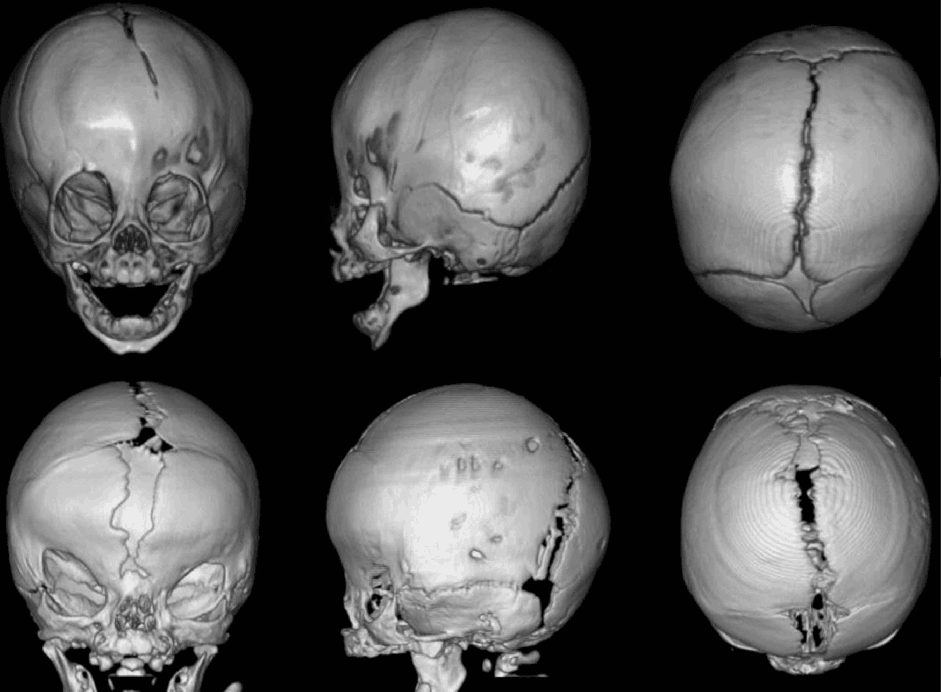
Muenke syndrome is a genetic form of syndromic craniosynostosis that most commonly affects the coronal sutures of the skull.
The coronal sutures run from the top of the skull toward the sides, near the forehead. When these sutures fuse prematurely, normal skull growth can be restricted in certain directions, resulting in an abnormal head shape.
Muenke syndrome can vary significantly from one individual to another. Some children may have:
- Unilateral or bilateral coronal craniosynostosis
- Abnormal skull shape
- Facial asymmetry
- Widely spaced eyes
- Mild midface underdevelopment
- Drooping eyelids
- Strabismus
- Hearing loss
- Developmental or learning difficulties
- Certain hand or foot abnormalities
Some individuals with the characteristic FGFR3 variant may have few or no obvious physical features.
What Causes Muenke Syndrome?
Muenke syndrome is caused by a pathogenic variant in the FGFR3 gene.
The best-established variant associated with Muenke syndrome is FGFR3 p.Pro250Arg. The condition follows an autosomal dominant inheritance pattern, meaning an affected parent has a 50% chance of passing the variant to a child. However, Muenke syndrome can also occur because of a new genetic change in a child without a previous family history.
Genetic counselling and testing can help confirm the diagnosis and provide information about inheritance and family planning.
What Are the Features of Muenke Syndrome?
The features can range from very mild to more significant craniofacial abnormalities.
Coronal Craniosynostosis
Coronal craniosynostosis is the most characteristic cranial feature of Muenke syndrome.
It may involve:
- One coronal suture
- Both coronal sutures
- Occasionally other skull sutures
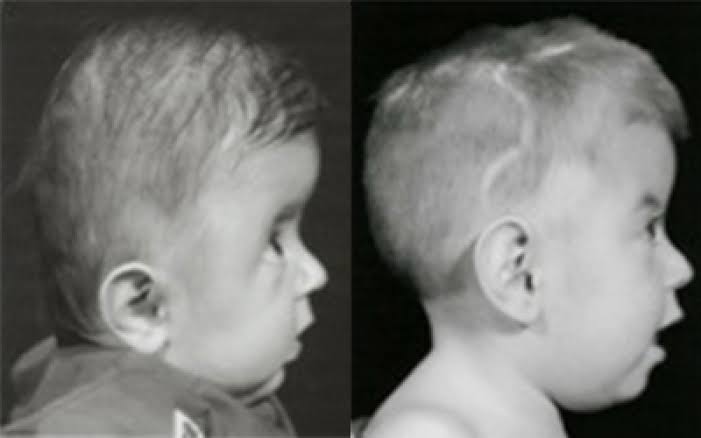
When both coronal sutures are affected, the skull may become shorter and broader, a pattern known as brachycephaly. When only one coronal suture is involved, the child may develop asymmetry of the forehead and face, known as anterior plagiocephaly.
Facial Features
Possible facial features include:
- Facial asymmetry
- Widely spaced eyes
- Temporal prominence
- Drooping eyelids
- Mild prominence of the eyes
- Mild midface retrusion
- High-arched palate
The appearance can vary considerably between children.
Hearing Loss
Hearing problems are relatively common in Muenke syndrome. Hearing loss may occur because of abnormalities affecting the ear or middle-ear function.
Regular hearing assessment may therefore be recommended, particularly during childhood.
Developmental and Learning Concerns
Some children with Muenke syndrome may experience:
- Developmental delay
- Learning difficulties
- Speech or language difficulties
- Behavioural concerns
- Intellectual disability in some cases
However, not every child will have developmental problems, and the severity varies considerably.
Eye Problems
Ocular problems can include:
- Strabismus
- Drooping eyelids
- Abnormal eye alignment
- Refractive problems
- Mild proptosis in some individuals
Regular ophthalmic assessment may be recommended depending on the child’s findings.
Hand and Foot Features
Some individuals may have skeletal changes involving the hands and feet, including:
- Broad thumbs
- Broad great toes
- Short fingers or toes
- Clinodactyly
- Abnormal fusion of certain wrist or ankle bones
These features are variable and are not present in every individual.
Can Muenke Syndrome Occur Without Craniosynostosis?
Yes.
Although craniosynostosis is a major feature of Muenke syndrome, not everyone with the FGFR3 p.Pro250Arg variant develops obvious premature fusion of the skull sutures.
Some individuals may have relatively subtle features, while others may have no obvious craniofacial findings and are identified through genetic testing or family evaluation.
This variation is one reason why genetic and clinical evaluation are important.
How Is Muenke Syndrome Diagnosed?
Diagnosis involves assessing the child’s physical features, skull development and family history, along with appropriate imaging and genetic testing.
Evaluation may include:
- Detailed medical and family history
- Physical examination
- Assessment of skull shape
- Measurement of head growth
- CT imaging when clinically indicated
- Eye examination
- Hearing assessment
- Developmental assessment
- Genetic testing for the FGFR3 variant
The diagnosis of Muenke syndrome is confirmed by identifying the characteristic FGFR3 p.Pro250Arg pathogenic variant through molecular genetic testing.
Muenke Syndrome Treatment
There is no single treatment plan for every child with Muenke syndrome.
Treatment depends on:
- The skull sutures involved
- Severity of craniosynostosis
- Skull shape
- Age of the child
- Eye and vision findings
- Hearing
- Intracranial pressure
- Developmental needs
- Associated facial or skeletal features
Some individuals may require craniosynostosis surgery, while others may primarily need monitoring and supportive treatment.
Management may include:
- Craniosynostosis surgery when indicated
- Ophthalmic care
- Hearing evaluation and treatment
- ENT care
- Developmental support
- Speech and language support when required
- Dental and orthodontic care
- Genetic counselling
- Long-term craniofacial follow-up
Craniosynostosis Surgery for Muenke Syndrome
When premature fusion of the skull sutures affects skull growth or creates functional concerns, craniosynostosis surgery may be recommended.
The objectives of surgery may include:
- Correcting abnormal skull shape
- Providing adequate space for brain growth
- Addressing or reducing the effects of premature suture fusion
- Improving cranial proportions
- Managing concerns related to intracranial pressure when present
The type and timing of surgery are individualised based on the child’s skull anatomy, age, growth pattern and clinical findings.
There is no universal age at which every child with Muenke syndrome should undergo surgery.
What Is the Role of Hearing Care?
Hearing loss is relatively common in Muenke syndrome, so hearing evaluation can be an important part of ongoing care.
Depending on the findings, management may involve:
- Regular audiological assessments
- ENT evaluation
- Treatment of middle-ear problems
- Hearing aids or other hearing support when appropriate
- Speech and language assessment when required
Early identification of hearing difficulties can help support communication and development.
What Is the Role of Developmental Support?
Because some children with Muenke syndrome may have developmental, learning or behavioural difficulties, ongoing developmental assessment can be useful.
Depending on the child’s needs, support may include:
- Speech and language therapy
- Occupational therapy
- Physiotherapy
- Educational support
- Developmental paediatric assessment
- Behavioural support
Not every child requires these services. The approach should be tailored to the child’s individual development.
Multidisciplinary Care for Muenke Syndrome
Muenke syndrome can involve the skull, face, eyes, ears, hearing and development. A coordinated approach can therefore be important.
Depending on the child’s needs, the care team may include:
- Craniofacial surgeon
- Neurosurgeon
- Paediatrician
- Ophthalmologist
- ENT specialist
- Audiologist
- Geneticist
- Dentist or orthodontist
- Developmental specialist
- Speech and language therapist
This approach allows both functional concerns and craniofacial development to be considered throughout the child’s growth.
What Are the Goals of Muenke Syndrome Treatment?
Treatment is planned according to the child’s specific needs. Major goals may include:
- Supporting normal skull and brain growth
- Correcting significant cranial deformity
- Monitoring for complications of craniosynostosis
- Protecting vision
- Identifying and managing hearing loss
- Supporting speech and developmental progress
- Addressing dental and facial development
- Achieving balanced craniofacial proportions
Long-term follow-up may be appropriate because some features of Muenke syndrome can become more apparent as the child grows.
Why Choose Dr. Rajendra for Muenke Syndrome Treatment in Bangalore?
Muenke syndrome requires more than evaluating the shape of the skull alone. The child’s cranial development, facial anatomy, hearing, vision and overall development may all need to be considered.
Dr. Rajendra S Gujjalanavar provides craniofacial evaluation and surgical care for congenital craniofacial conditions, with treatment planning tailored to the individual child’s anatomy and clinical needs.
His craniosynostosis services incorporate multidisciplinary evaluation and management when required, including craniofacial surgery, neurosurgery, ophthalmology, ENT and orthodontic care.
The objective is to develop an appropriate treatment pathway that considers both functional needs and long-term craniofacial development.
Book a Consultation for Muenke Syndrome Treatment in Bangalore
If your child has been diagnosed with Muenke syndrome, craniosynostosis or an FGFR3-related craniofacial condition, early specialist assessment can help identify skull, facial, hearing, vision and developmental concerns.
Dr. Rajendra can evaluate the child’s craniofacial condition and discuss whether observation, surgery or additional specialist care may be appropriate.
Book a consultation for Muenke Syndrome treatment in Bangalore.