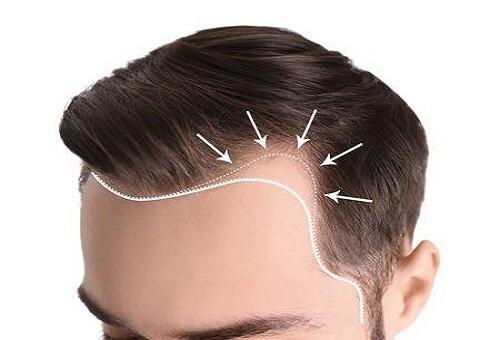
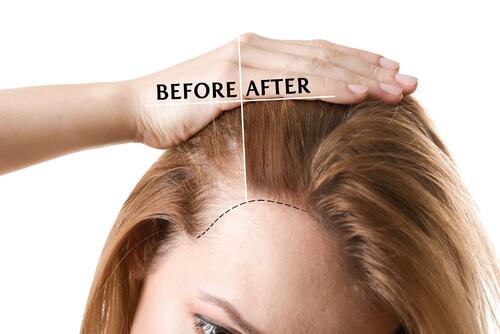
What Is a Hair Transplant?
A hair transplant is a surgical hair-restoration procedure in which hair follicles are taken from a donor area of the scalp and transplanted into areas affected by hair loss.
The transplanted follicles are carefully placed to recreate or improve:
- A receding hairline
- Frontal hair density
- Crown coverage
- Areas of thinning
- Localised bald patches
- Hair loss caused by certain injuries or scars in selected cases
The objective is to achieve natural-looking hair growth and an appropriate hairline, rather than simply adding as many grafts as possible.
Who Can Benefit from Hair Transplantation?
Hair transplantation may be considered for men and women who have:
- Pattern hair loss
- Receding hairline
- Male or female pattern baldness
- Localised thinning
- Stable areas of hair loss
- Adequate donor hair
- Realistic expectations about the outcome
Not everyone with hair loss is a suitable candidate for transplantation. The availability and quality of donor hair are important factors when planning the procedure.
A consultation helps determine the cause and pattern of hair loss and whether transplantation is appropriate.
What Causes Hair Loss?
Hair loss can occur for many reasons. Common causes include:
- Androgenetic alopecia or pattern hair loss
- Genetic predisposition
- Hormonal changes
- Certain medical conditions
- Nutritional deficiencies
- Stress or illness
- Some medications
- Scalp conditions
- Previous injury or surgery
Before considering a transplant, it is important to understand why the hair is being lost. In some cases, medical treatment may be recommended to stabilise ongoing hair loss before or alongside transplantation.
What Are the Different Hair Transplant Techniques?
The two established methods of harvesting hair follicles are:
FUE Hair Transplant
Follicular Unit Extraction (FUE) involves extracting individual follicular units from the donor area using a small specialised punch.
The extracted grafts are then prepared and transplanted into carefully planned recipient sites.
Potential advantages of FUE include:
- Individual follicular unit extraction
- No linear strip scar
- Ability to keep donor-area hair relatively short, depending on the technique
- Suitable for many patients requiring hair restoration
The number of grafts that can safely be harvested depends on donor density and the patient’s individual characteristics.
FUT Hair Transplant
Follicular Unit Transplantation (FUT), sometimes called the strip method, involves removing a strip of donor scalp from the back of the head. The strip is then divided into individual follicular grafts for transplantation.
The donor incision is closed carefully, and the resulting linear scar is generally positioned in an area that can be covered by surrounding hair.
FUT may be appropriate for selected patients, particularly when a larger number of grafts is required and the patient’s donor area is suitable.
FUE vs FUT
Neither technique is automatically the best choice for every patient.
The decision depends on factors such as:
- Pattern of hair loss
- Donor hair density
- Hair characteristics
- Number of grafts required
- Previous hair transplant procedures
- Preferred hairstyle
- Scalp characteristics
- Long-term hair restoration goals
The appropriate technique can be discussed after examining the scalp and donor area.
How Is the Hairline Designed?
Hairline design is one of the most important aspects of a hair transplant.
A natural-looking hairline should take into account:
- Age
- Facial proportions
- Existing hairline
- Pattern of hair loss
- Donor hair availability
- Future progression of hair loss
The hairline should not simply be placed as low as possible. A carefully designed hairline should look natural as it matures and should take into account the possibility of future hair loss.
How Is a Hair Transplant Performed?
The procedure generally involves several stages:
1. Consultation and Planning
The scalp and donor area are examined, and the pattern of hair loss is assessed.
2. Hairline and Recipient Area Design
The areas requiring additional density are marked and the desired hairline is planned.
3. Donor Graft Harvesting
Depending on the selected technique, individual follicular units may be extracted using FUE or a strip of donor scalp may be removed using FUT.
4. Graft Preparation
The harvested grafts are carefully prepared for transplantation.
5. Recipient Site Creation
Small recipient sites are created in the areas where the grafts will be placed.
6. Graft Placement
The prepared grafts are inserted into the recipient sites according to the planned direction, angle and density.
Careful placement is important for achieving a natural appearance.
Is Hair Transplant Surgery Painful?
Hair transplantation is generally performed under local anaesthesia, which helps minimise discomfort during the procedure.
Some patients may experience mild discomfort, tightness, swelling or tenderness after the procedure.
Postoperative medication and instructions will be provided as required.
Hair Transplant Recovery
Hair transplantation is generally performed as a day-care procedure, allowing patients to return home after the procedure.
During the initial recovery period, you may experience:
- Mild swelling
- Redness
- Scabbing around the transplanted grafts
- Tenderness in the donor area
- Temporary tightness or altered sensation
You will receive instructions on:
- Washing the scalp
- Sleeping position
- Protecting the transplanted area
- Physical activity
- Medications
- Follow-up appointments
Light activities can generally be resumed progressively, while strenuous exercise and activities that may affect the scalp should be avoided until your surgeon advises that it is safe.
When Will New Hair Start Growing?
It is important to understand that hair growth after transplantation takes time.
The transplanted hairs may temporarily shed during the early weeks after surgery. This is a normal part of the hair-growth cycle and does not necessarily mean that the transplanted follicles have been lost.
New hair growth develops gradually over the following months. The improvement becomes increasingly noticeable as the transplanted follicles enter their new growth cycle.
Final results are typically assessed over several months and may continue to improve for around 9–12 months or longer, depending on the individual.
Is Hair Transplant Permanent?
Hair transplantation can provide long-lasting restoration because the transplanted follicles are generally taken from areas of the scalp that are more resistant to pattern hair loss.
However, the outcome depends on factors including:
- Underlying hair-loss pattern
- Donor hair characteristics
- Age
- Genetics
- Ongoing hair loss
- Overall health
- Hair-care practices
Existing non-transplanted hair may continue to thin over time. Your doctor may therefore discuss medical hair-loss treatment when appropriate to help preserve the surrounding hair.
Can Women Have a Hair Transplant?
Yes. Women with suitable patterns of hair loss and adequate donor hair may also be candidates for hair transplantation.
However, female hair loss can have several causes, including hormonal, nutritional and medical factors. Identifying the cause is particularly important before considering surgery.
A detailed assessment helps determine whether transplantation is appropriate.
What Are the Benefits of Hair Transplantation?
Potential benefits include:
- Restoration of hair in areas affected by hair loss
- Improvement in hairline appearance
- Natural-looking hair growth
- Ability to style transplanted hair normally after recovery
- Long-lasting improvement when appropriately selected
- Improved confidence and self-image
The result depends on the patient’s donor hair, pattern of hair loss, graft quality and healing response.
What Are the Risks of Hair Transplant Surgery?
Hair transplantation is a surgical procedure and carries potential risks.
These may include:
- Swelling
- Bleeding
- Infection
- Temporary numbness or altered sensation
- Scarring
- Poor graft growth
- Uneven density
- Unnatural hairline appearance
- Folliculitis or small scalp bumps
- Need for additional treatment or revision
The risks vary between patients and depend on the technique, number of grafts and individual healing.
Why Choose Dr. Rajendra for Hair Transplant in Indiranagar?
Hair transplantation is not simply about moving hair from one part of the scalp to another. Hairline design, graft selection, harvesting technique, follicle handling and the direction and angle of graft placement all contribute to the final appearance.
Dr. Rajendra S Gujjalanavar is a plastic surgeon who provides hair transplantation as part of his practice. His website highlights hair transplantation among his areas of expertise.
The treatment is planned according to the patient’s hair-loss pattern, donor hair availability and long-term restoration goals.
Hair Transplant in Indiranagar
Dr. Rajendra provides consultations at the Skin and Neuro Clinic in Indiranagar, located on Chinmaya Mission Hospital Road, near the Metro Pillar and opposite Manyavar. The clinic’s current contact information lists +91 79969 91939 for appointments.
This location makes the practice accessible to patients looking for hair transplant consultation in Indiranagar and surrounding areas of East Bangalore.
Book a Hair Transplant Consultation in Indiranagar
If you are experiencing a receding hairline, thinning hair or bald patches, a detailed evaluation can help determine the cause of hair loss and whether hair transplantation is suitable for you.
Dr. Rajendra can assess your scalp and donor area and discuss the most appropriate hair-restoration approach based on your individual needs.
Book a consultation for hair transplant treatment in Indiranagar, Bangalore.