What Is Crouzon Syndrome?
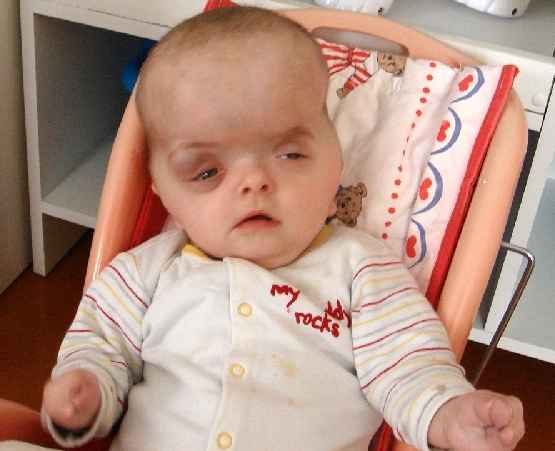
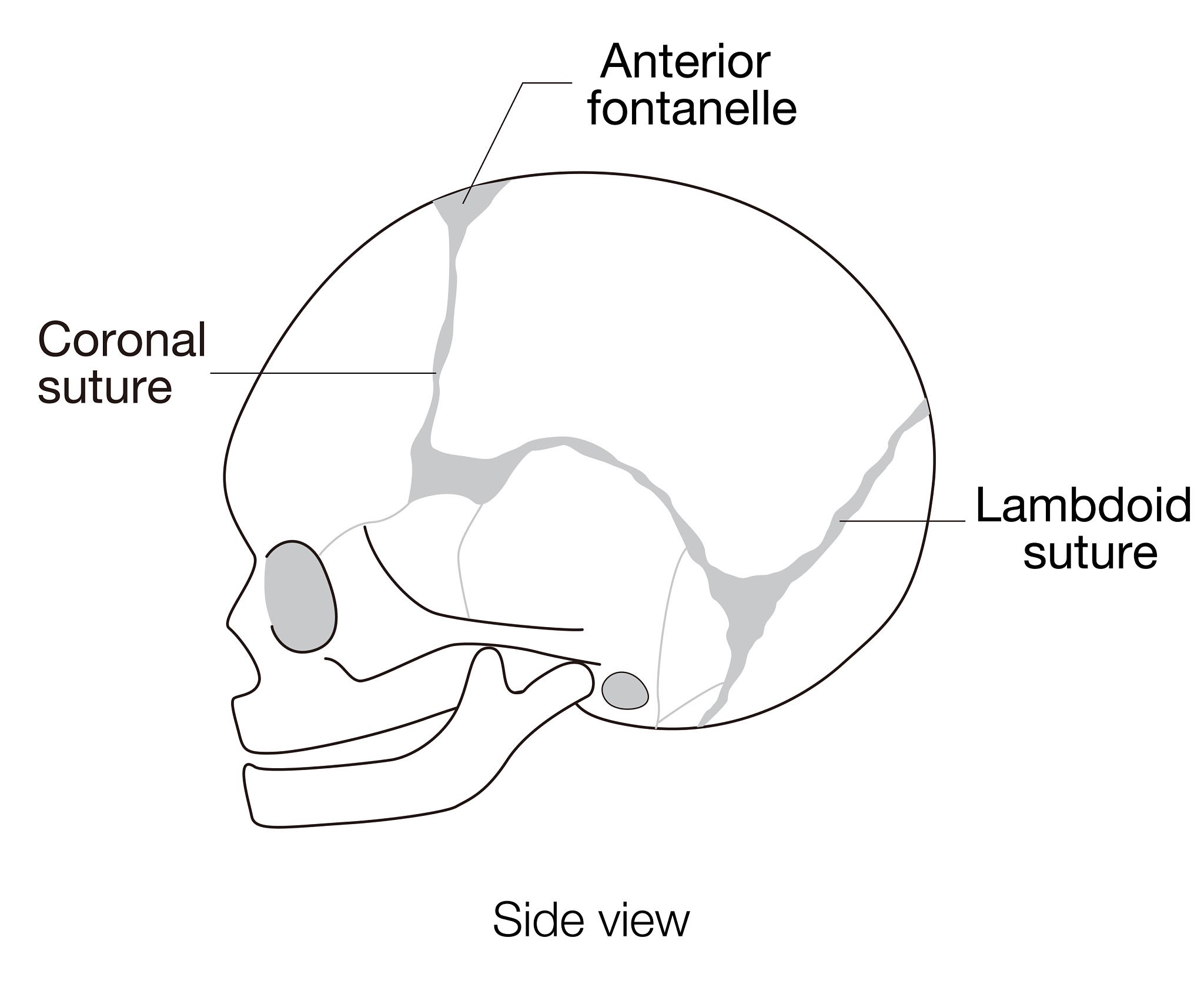
Crouzon syndrome is a genetic form of syndromic craniosynostosis in which premature fusion of skull sutures affects normal skull and facial growth.
The condition can result in:
- Abnormal skull shape
- Midface underdevelopment
- Prominent or bulging eyes
- Shallow eye sockets
- Breathing difficulties
- Dental and bite abnormalities
- Hearing problems
- Neurological complications in some children
The pattern and severity of craniosynostosis can vary from one child to another.
What Causes Crouzon Syndrome?
Crouzon syndrome is most commonly caused by a pathogenic variant in the FGFR2 gene, which plays an important role in bone development and growth.
It can occur because of a new genetic change in a child or can be inherited from an affected parent in an autosomal dominant pattern. Genetic counselling and testing may therefore be recommended as part of the evaluation.
Crouzon syndrome with acanthosis nigricans is a distinct condition associated with an FGFR3 variant.
What Are the Features of Crouzon Syndrome?
The features of Crouzon syndrome are primarily related to skull and facial development.
Craniosynostosis
Premature fusion of skull sutures can restrict normal growth in certain directions and result in an abnormal skull shape.
Depending on the sutures involved, children may develop:
- Tall or broad skull
- Flattening of parts of the skull
- Abnormal forehead shape
- Asymmetry of the head
- Changes in facial proportions
Crouzon syndrome can involve multiple sutures, and the pattern can vary between individuals.
Midface Hypoplasia
One of the characteristic features of Crouzon syndrome is midface hypoplasia, in which the middle portion of the face does not develop forward normally.
This may result in:
- Flattened or recessed midface
- Underdeveloped upper jaw
- Prominent eyes
- Abnormal bite
- Reduced space in the upper airway
Midface retrusion can become more apparent as the child grows.
Eye Problems
Shallow eye sockets can cause the eyes to appear prominent or bulging.
Children may also experience:
- Proptosis
- Strabismus
- Vision problems
- Exposure-related eye complications
Significant proptosis can increase the risk of corneal exposure, making ophthalmic assessment an important part of care.
Breathing and Airway Problems
Midface underdevelopment can contribute to narrowing of the upper airway.
Some children may experience:
- Nasal obstruction
- Snoring
- Sleep-disordered breathing
- Obstructive sleep apnea
- Feeding or breathing difficulties
Airway problems may become particularly important in children with significant midface hypoplasia.
Dental and Jaw Problems
Crouzon syndrome can affect the development and relationship of the upper and lower jaws.
Possible problems include:
- Crowded teeth
- Crossbite
- Malocclusion
- Abnormal jaw relationship
- Difficulty with normal tooth alignment
Dental and orthodontic assessment may therefore form part of long-term craniofacial care.
Hearing Problems
Some children with Crouzon syndrome may develop hearing difficulties related to middle-ear dysfunction or other abnormalities affecting the ear.
Hearing assessment and appropriate ENT care may be recommended when required.
Does Crouzon Syndrome Affect the Hands and Feet?
Unlike Apert syndrome and some other syndromic craniosynostoses, Crouzon syndrome generally does not cause characteristic hand and foot abnormalities.
This difference can help doctors distinguish Crouzon syndrome from other craniosynostosis syndromes.
How Is Crouzon Syndrome Diagnosed?
Diagnosis involves assessing the child’s skull and facial features and determining which skull sutures are affected.
The evaluation may include:
- Detailed medical and family history
- Physical examination
- Assessment of head shape and facial development
- CT scan with 3D reconstruction when appropriate
- Eye examination
- Hearing assessment
- Airway evaluation
- Genetic testing
- Developmental assessment when indicated
Genetic testing can help confirm the diagnosis and identify an underlying FGFR2 variant.
Crouzon Syndrome Treatment
There is no single treatment plan that applies to every child with Crouzon syndrome.
Treatment is based on the child’s:
- Age
- Skull development
- Sutures involved
- Facial anatomy
- Intracranial pressure
- Eye condition
- Airway function
- Hearing
- Dental and jaw development
Management may involve cranial surgery, midface advancement, ophthalmic treatment, ENT care, dental and orthodontic treatment, and long-term monitoring.
Because several areas of health can be affected, multidisciplinary craniofacial care is an important part of treatment.
Craniosynostosis Surgery for Crouzon Syndrome
When premature skull fusion affects skull growth or creates a risk of raised intracranial pressure, cranial vault surgery or other craniosynostosis procedures may be recommended.
Depending on the child’s anatomy and age, surgery may aim to:
- Create adequate space for brain growth
- Manage or reduce intracranial pressure
- Correct abnormal skull shape
- Protect the brain
- Improve cranial proportions
The timing and type of surgery are individualised. In syndromic craniosynostosis, surgical planning takes into account the child’s anatomy, respiratory status and risk of increased intracranial pressure.
Midface Advancement for Crouzon Syndrome
Some children with Crouzon syndrome develop significant midface retrusion as they grow.
In selected patients, midface advancement may be considered to improve:
- Facial balance
- Midface projection
- Eye protection
- Upper-jaw position
- Airway function
- Dental and jaw relationships
Midface advancement is generally considered later in childhood or adolescence, although earlier intervention may sometimes be appropriate when there are significant airway or other functional concerns.
Treatment for Eye Problems
Because Crouzon syndrome can cause prominent eyes and shallow eye sockets, regular eye assessment may be important.
Treatment may be required when there is:
- Significant proptosis
- Corneal exposure
- Strabismus
- Refractive problems
- Reduced vision
Protecting vision is an important part of craniofacial management.
Treatment for Breathing and Airway Problems
Airway problems can occur because of midface hypoplasia and narrowing of the upper airway.
Depending on the severity, management may involve:
- ENT assessment
- Sleep evaluation
- Treatment of nasal obstruction
- Management of obstructive sleep apnea
- Airway-support measures
- Midface advancement in selected patients
The appropriate treatment depends on the underlying cause and severity of the airway problem.
Multidisciplinary Care for Crouzon Syndrome
Crouzon syndrome can involve the skull, face, eyes, airway, ears and dental development. For this reason, treatment may involve several specialists.
Depending on the child’s needs, the team may include:
- Craniofacial surgeon
- Neurosurgeon
- Paediatrician
- Ophthalmologist
- ENT specialist
- Orthodontist
- Dentist
- Audiologist
- Geneticist
- Other developmental or rehabilitation specialists
A coordinated approach allows functional and developmental concerns to be considered alongside the child’s craniofacial treatment.
What Are the Goals of Crouzon Syndrome Treatment?
Treatment is planned according to the child’s individual needs. Major goals may include:
- Supporting normal brain growth
- Managing craniosynostosis
- Reducing the risk of raised intracranial pressure
- Protecting vision
- Improving airway function
- Improving skull shape
- Addressing midface deficiency
- Improving dental and jaw relationships
- Supporting hearing and development
- Achieving balanced facial proportions
Because Crouzon syndrome can change as the child grows, long-term follow-up is often an important part of care.
Why Choose Dr. Rajendra for Crouzon Syndrome Treatment in Bangalore?
Crouzon syndrome is a complex craniofacial condition that requires treatment planning beyond correction of the skull shape alone.
Dr. Rajendra S Gujjalanavar provides craniofacial evaluation and surgical care for congenital craniofacial conditions, including craniosynostosis and syndromic craniosynostosis. His craniosynostosis service describes multidisciplinary management involving craniofacial surgery, neurosurgery, paediatric anaesthesia, ophthalmology, ENT, speech therapy and orthodontics.
Treatment is planned according to the child’s age, skull and facial anatomy, functional concerns and long-term development.
The aim is to provide an individualised treatment pathway addressing brain growth, skull development, facial proportions, vision and airway function.
Book a Consultation for Crouzon Syndrome Treatment in Bangalore
If your child has been diagnosed with Crouzon syndrome or another form of syndromic craniosynostosis, early specialist assessment can help identify concerns involving the skull, face, eyes, airway, hearing and neurological development.
Dr. Rajendra can assess the child’s craniofacial condition and discuss an appropriate treatment plan based on the individual presentation.
Book a consultation for Crouzon Syndrome treatment in Bangalore.