What Is Fat Grafting?
Fat grafting is a procedure in which fat is removed from one area of the body and transferred to another area that requires additional volume or contour correction.
The procedure generally involves three stages:
- Fat harvesting – fat is removed from a suitable donor area.
- Fat processing – the harvested fat is prepared for transfer.
- Fat injection – purified fat is carefully placed into the treatment area.
Because the patient’s own tissue is used, fat grafting can provide a natural alternative to certain synthetic implants or injectable fillers.
The amount of fat required depends on the treatment area and the degree of volume enhancement needed.
What Is Lipofilling?
Lipofilling is another term used for fat grafting or fat transfer.
The principle is the same: unwanted or excess fat is harvested from one part of the body, processed and then transferred to another area to restore volume or improve contours.
The procedure can therefore serve both a contouring purpose at the donor site and a volume-enhancement purpose at the recipient site.
However, fat grafting should not be considered a replacement for liposuction when significant amounts of fat need to be removed. The primary purpose of the procedure is transferring suitable fat to another area.
Who Is a Good Candidate for Fat Transfer?
Fat transfer may be considered for adults who:
- Want natural-tissue volume enhancement.
- Have sufficient donor fat available.
- Want to restore volume lost with ageing.
- Have selected facial or body contour irregularities.
- Want to enhance the cheeks, lips or other facial areas.
- Want breast augmentation without implants in selected cases.
- Want buttock enhancement using their own fat.
- Prefer an alternative to certain synthetic implants or fillers.
- Have realistic expectations about the procedure and results.
A consultation is necessary to determine whether there is enough suitable donor fat and whether fat grafting is appropriate for the desired area.
Where Can Fat Grafting Be Used?
Fat grafting can be used for a number of cosmetic and reconstructive applications.
Depending on the patient’s requirements, fat transfer may be used for:
- Face and cheeks
- Lips
- Under-eye hollows
- Breasts
- Buttocks
- Selected contour deformities
- Scar or soft-tissue irregularities
The Dr. Rajendra website specifically identifies fat grafting/lipofilling for contour correction, breast and buttock augmentation and skin rejuvenation.
The appropriate application depends on the patient’s anatomy, available donor fat and treatment objectives.
Facial Fat Grafting
Facial fat grafting in Bangalore can be used to restore volume in selected areas of the face.
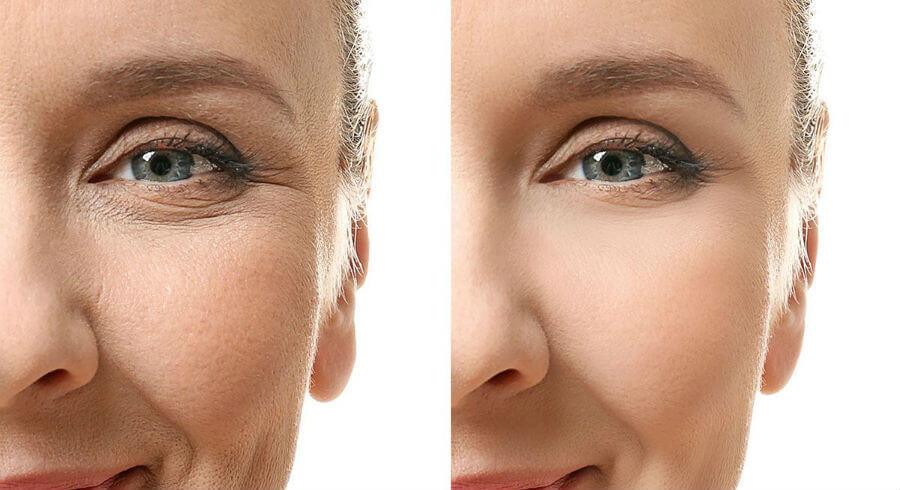
Ageing can lead to gradual loss or redistribution of facial fat, resulting in hollow cheeks, reduced facial fullness and a tired appearance.
Fat transfer can be used to enhance areas such as:
- Cheeks.
- Temples.
- Lips.
- Under-eye hollows.
- Other areas with localized volume deficiency.
The amount and placement of fat are carefully planned to maintain facial proportions and avoid an overfilled appearance.
Fat Transfer to the Cheeks
Cheek fat grafting can restore or enhance volume in the midface.
Loss of cheek volume may make the face appear flatter or more aged. Carefully placed fat can improve cheek projection and restore selected areas of volume.
The treatment is customized according to the patient’s existing cheek structure and desired degree of enhancement.
The goal is to create a balanced facial contour rather than simply adding maximum volume.
Fat Transfer to the Lips
Lip fat grafting is an option for patients seeking natural-tissue lip enhancement.
Fat harvested from another part of the body can be processed and transferred into the lips to increase volume and improve contour.
Compared with temporary hyaluronic acid lip fillers, fat transfer uses the patient’s own tissue. However, not all transferred fat necessarily survives permanently, and some degree of volume reduction can occur during healing.
For this reason, the final result can be less predictable than simply measuring an initial injected volume.
Breast Fat Grafting
Breast fat transfer uses the patient’s own fat to increase breast volume or improve breast contour.
Fat is harvested from suitable areas of the body and transferred to the breasts after processing.
This can be considered by selected patients who:
- Want a modest increase in breast volume.
- Prefer to use their own tissue.
- Want to avoid breast implants.
- Have sufficient donor fat.
- Want to improve selected breast contour irregularities.
Fat transfer is not suitable for every patient or every desired degree of breast enlargement. The achievable volume depends partly on the amount of suitable donor fat and how much of the transferred fat survives.
Buttock Fat Grafting
Buttock fat grafting involves transferring the patient’s own fat to the buttocks to enhance volume and contour.
It may be considered for patients who want to improve buttock shape or projection using their own tissue.
The procedure requires careful planning and appropriate patient selection because buttock fat transfer involves specific surgical safety considerations.
The amount of enhancement achievable depends on the available donor fat and the patient’s anatomy.
Fat Grafting for Contour Irregularities
Fat transfer can also be used to address selected contour deformities or soft-tissue irregularities.
These may occur because of:
- Previous surgery.
- Trauma.
- Volume loss.
- Congenital contour differences.
- Age-related tissue changes.
Fat can be placed strategically into areas where additional soft-tissue volume is needed.
The treatment plan depends on the size, location and nature of the contour irregularity.
How Is Fat Grafting Surgery Performed?
The procedure generally involves harvesting fat from a suitable donor area such as the abdomen, thighs or another area with adequate fat.
The harvested fat is then processed to separate suitable fat tissue from unwanted components.
The prepared fat is carefully injected into the recipient area using small amounts and multiple passes to encourage appropriate distribution.
The technique and amount of fat transferred depend on:
- Treatment area.
- Desired volume.
- Available donor fat.
- Skin and tissue characteristics.
- Individual anatomy.
The objective is to create smooth and balanced volume enhancement.
Where Is Fat Taken From for Fat Transfer?
Fat can be harvested from areas where the patient has sufficient excess fat.
Common donor areas may include:
- Abdomen.
- Thighs.
- Flanks.
- Hips.
- Other suitable areas identified during assessment.
The donor area is selected according to the amount and quality of available fat and the patient’s overall body proportions.
The current Dr. Rajendra website specifically mentions borrowing fat from the tummy or thigh for fat grafting.
Is Fat Grafting a Surgical Procedure?
Yes. Although fat transfer is sometimes described as a minimally invasive cosmetic procedure, it is still a surgical procedure because fat must be harvested from a donor site before being transferred.
The extent of surgery varies considerably depending on the treatment area.
Small-volume facial fat grafting is generally less extensive than procedures involving larger-volume body contouring.
The type of anaesthesia and surgical setting will depend on the area being treated and the extent of the procedure.
How Long Does Fat Grafting Take?
The duration of fat grafting varies according to:
- Amount of fat being harvested.
- Number of areas being treated.
- Size of the recipient area.
- Whether another cosmetic procedure is performed at the same time.
A small facial fat transfer may require considerably less operating time than breast or buttock fat grafting.
The exact duration can be discussed during the preoperative consultation.
What Happens to the Transferred Fat?
Not all transferred fat cells necessarily survive after the procedure.
Some of the transferred fat may be naturally absorbed by the body during the healing process. The remaining viable fat cells can become established in the recipient area and contribute to longer-term volume.
This is why the initial appearance can be fuller than the eventual result.
The surgeon may therefore intentionally account for expected volume changes when planning the amount of fat to transfer.
Is Fat Grafting Permanent?
Fat grafting can provide long-lasting volume enhancement, but it should not be described as a guarantee that every transferred fat cell will survive permanently.
Some of the transferred fat is naturally reabsorbed during the healing process.
The fat cells that successfully establish a blood supply can provide longer-term volume. However, future changes in body weight, ageing and other factors can affect the appearance of the treated area.
When Will I See the Final Results?
Some improvement is visible soon after fat grafting because of the initial transferred volume.
However, swelling and the natural absorption of a portion of the transferred fat can change the appearance during the healing period.
The final result is therefore assessed only after the tissues have had sufficient time to settle.
The timeline varies depending on whether the procedure is performed on the face, breasts, buttocks or another area.
Fat Grafting Recovery
Recovery depends significantly on the donor and recipient areas.
Patients may experience:
- Swelling.
- Bruising.
- Tenderness.
- Tightness.
- Temporary changes in sensation.
- Discomfort at the fat-harvesting site.
Facial fat grafting generally involves a different recovery process from larger-volume body fat transfer.
The surgeon will provide instructions regarding wound care, activity restrictions, compression garments where appropriate and follow-up appointments.
When Can I Return to Work After Fat Transfer?
The time required before returning to work varies depending on the area treated and the nature of the patient’s work.
Patients undergoing smaller facial fat grafting procedures may return to routine activities sooner than patients undergoing larger-volume body procedures.
Office-based work may be resumed once swelling and discomfort are manageable, while physically demanding work may require a longer recovery period.
Your surgeon will provide a personalized timeline based on the procedure performed.
What Are the Risks of Fat Grafting?
Fat grafting is a surgical procedure and carries potential risks.
Possible complications include:
- Infection.
- Bleeding.
- Swelling.
- Bruising.
- Changes in sensation.
- Contour irregularities.
- Asymmetry.
- Fat absorption.
- Fat necrosis.
- Under-correction or over-correction.
- Need for additional treatment.
The risks vary according to the treatment area and amount of fat transferred.
For larger-volume fat transfer procedures, particularly buttock fat grafting, additional safety considerations apply. Appropriate patient selection, surgical technique and postoperative monitoring are important.
Fat Grafting vs Dermal Fillers
Both fat grafting and dermal fillers can restore facial volume, but they are different treatments.
Fat grafting uses the patient’s own fat harvested from another area of the body and can provide longer-term volume after the transferred fat successfully establishes itself.
Dermal fillers use injectable materials such as hyaluronic acid to add or restore volume and generally provide temporary results.
Fat grafting involves a donor-site procedure, whereas dermal fillers do not require fat harvesting.
The most appropriate option depends on the area being treated, desired volume, available donor fat, expected longevity and individual preferences.
Fat Grafting vs Implants
Fat transfer and implants can both be used for volume enhancement in selected areas, but they work differently.
An implant provides a predetermined structural volume, while fat grafting uses the patient’s own tissue.
Fat transfer can provide a softer and more natural tissue feel, but the final amount of retained fat can vary.
Implants may be more appropriate when a larger or more predictable structural increase is required.
The choice should be based on the patient’s anatomy, treatment goal and surgeon’s assessment.
Fat Grafting for Men and Women
Fat grafting can be performed for both men and women.
The treatment is individualized according to the patient’s anatomy and aesthetic goals.
Men may seek facial fat grafting to restore cheek or temple volume, improve facial proportions or address contour irregularities, while women may seek facial, breast or body contour enhancement.
The procedure should be planned according to the individual’s natural proportions rather than using a standardized approach.
Fat Grafting Surgery Cost in Bangalore
The cost of fat grafting surgery in Bangalore varies significantly depending on the area being treated and the extent of the procedure.
Factors that can affect the cost include:
- Treatment area.
- Amount of fat required.
- Fat-harvesting area.
- Surgical technique.
- Anaesthesia.
- Operating facility.
- Whether multiple areas are treated.
- Postoperative care and follow-up.
Facial fat grafting and larger-volume breast or body fat transfer procedures can have substantially different costs.
An exact estimate can be provided after consultation because the amount of fat required and the surgical plan vary between patients.
When considering fat grafting cost in Bangalore, patients should consider surgeon expertise, facility standards, safety, treatment planning and expected results rather than choosing a procedure based only on price.
Why Choose Dr. Rajendra for Fat Grafting in Bangalore?
Fat grafting requires an understanding of both the donor area and the recipient area’s anatomy. The amount of fat harvested, processing technique and placement of the fat all influence the final contour.
Dr. Rajendra S. Gujjalanavar is a plastic, cosmetic and craniofacial surgeon with qualifications including DNB in General Surgery, M.Ch in Plastic Surgery and DNB in Plastic Surgery, along with fellowships in cosmetic surgery, microsurgery, lymphedema surgery and craniofacial surgery.
His facial aesthetics service identifies fat grafting/lipofilling as one of the available treatments for contour correction, breast and buttock augmentation and skin rejuvenation.
The treatment can therefore be planned according to the patient’s individual anatomy, available donor fat and desired outcome.
The objective is to achieve natural-looking volume enhancement and balanced body or facial contours.